


THE MILITARY JUNTA’S “100-DAY PLAN”
SCAM BALLOTS, SILENT NETWORKS
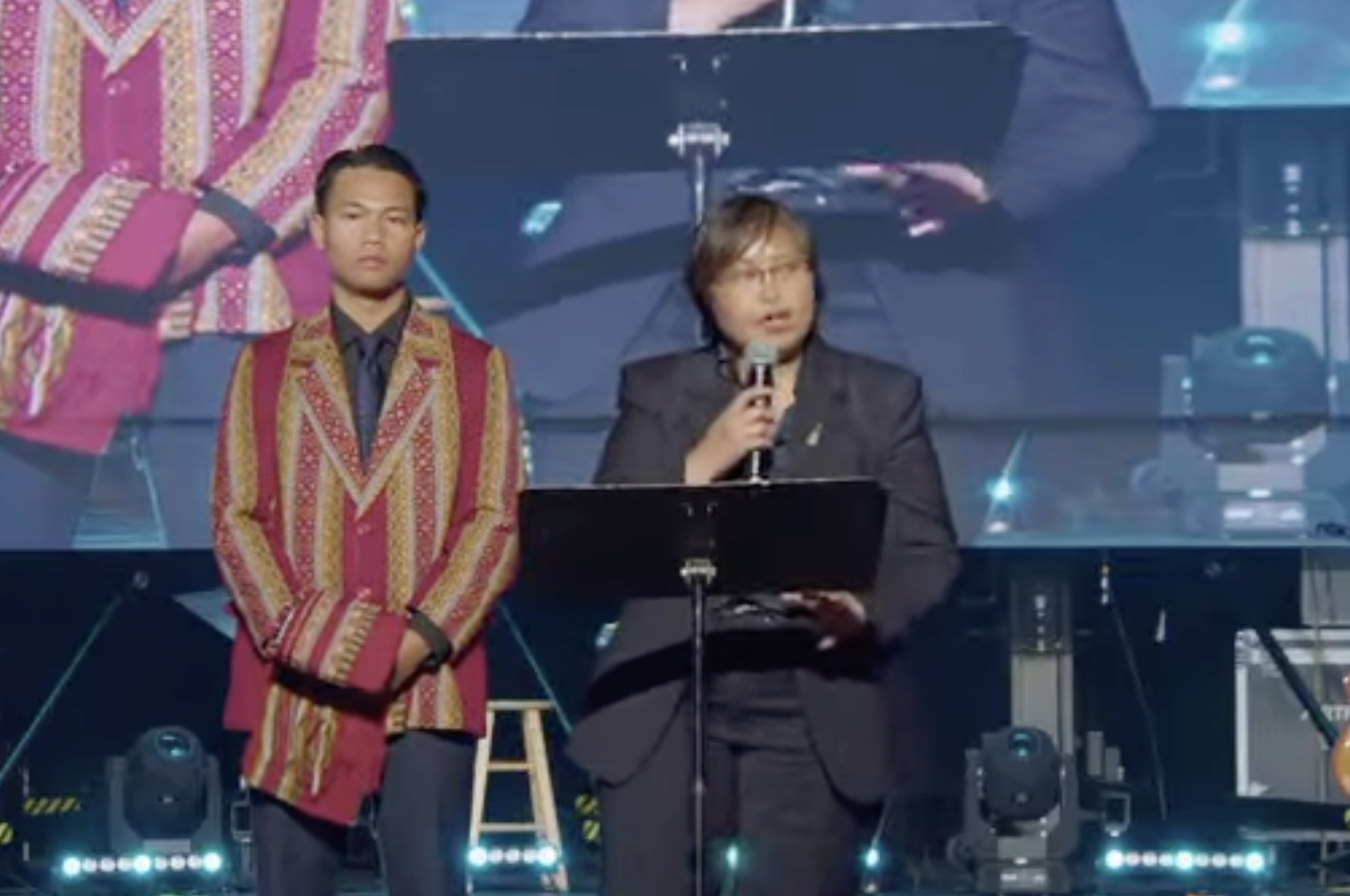
Keynote Address by H.E. Daw Zin Mar Aung at the Chin Youth Organization North America Convention 2025
 Union Minister

 Tweets @MFA_NUG
 ;
;
Myanmar Updates - Special Issue (15 July 2026)
"The Military Junta's '100-Day Plan': A Narrative of Reform, A Reality of Military Consolidation"
The junta's 100-Day Plan is not a roadmap to peace, but a strategy to consolidate military rule while seeking international legitimacy


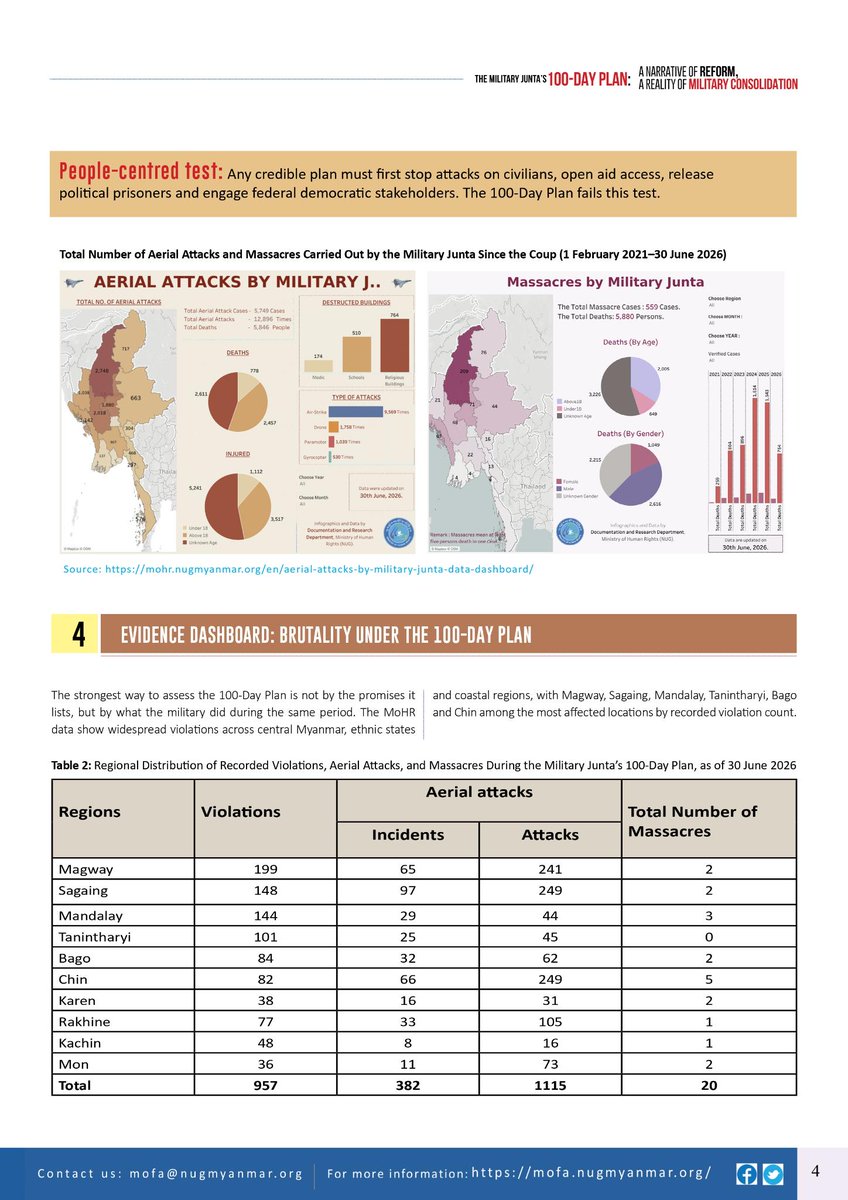
Evidence shows continued airstrikes, attacks on civilians, humanitarian obstruction, forced conscription and growing regional security threats.
ASEAN should judge the junta by actions, not promises. Any engagement must remain firmly anchored in the 5PC and measurable benchmarks.


Over 100,000 lives lost since 2021.
#Myanmar is now the world’s 2nd deadliest conflict after Palestine (ACLED). Too many nations look away, distracted by priorities or own interests.
It’s not too complicated to solve. It requires the will to act and stand with the people.

တော်လှန်ရေးကို ဆက်လက်အရှိန်မြှင့်တင်လုပ်ဆောင်ရန် ကိုရီးယားရှိ တော်လှန်အဖွဲ့အစည်းများ တညီတညွတ်တည်း ထပ်မံသန္နိဋ္ဌာန်ပြု
**** **** ****
အမျိုးသားညီညွတ်ရေးအစိုးရ ကိုရီးယားသမ္မတနိုင်ငံဆိုင်ရာ မြန်မာကိုယ်စားလှယ်ရုံးမှ စီစဉ်၍ ကိုရီးယားအခြေစိုက် မြန်မာတော်လှန်ရေးအဖွဲ့အစည်းများ ပါဝင်သည့် “နိုင်ငံရေးဆွေးနွေးပွဲ ၂၀၂၆”ကို ဇူလိုင်လ ၁၈ ရက်နေ့တွင် ချွန်နန်းမြို့၌ ကျင်းပရာ စစ်အာဏာရှင်စနစ် အမြစ်ဖြတ်ရေးအတွက် တော်လှန်ရေးအရှိန်အဟုန် မကျသွားစေရေး ဆက်လက်ကြိုးစားကြရန် ထပ်မံသန္နိဋ္ဌာန်ပြုချက်ကို တညီတညွတ်တည်း အတည်ပြုခဲ့ကြသည်။
တတိယအကြိမ်မြောက်အဖြစ် ပြုလုပ်သည့် နိုင်ငံရေးဆွေးနွေးပွဲသို့ အမျိုးသားညီညွတ်ရေးအစိုးရ နိုင်ငံခြားရေးဌာန ပြည်ထောင်စုဝန်ကြီး ဒေါ်ဇင်မာအောင်က အွန်လိုင်းမှတဆင့် အဖွင့်အမှာစကား ပြောကြားရာတွင် ယခုအချိန်သည် ယခင်နှင့်မတူသည့် နိုင်ငံရေးစိန်ခေါ်မှုများကို ဖြစ်ပေါ်နေချိန်ဖြစ်ကြောင်း၊ တော်လှန်ရေးဘက်တွင် ပိုမိုစုစည်းညီညွတ်သည့် ဦးဆောင်မှုကို တည်ဆောက်နေကြောင်း၊ ရေရှည်အကျိုးဖြစ်ထွန်းမည့် နိုင်ငံရေးမူဘောင်ကို ဖော်ဆောင်လျက်ရှိကြောင်း၊ အဆိုပါ စစ်ရေး နိုင်ငံရေး ပေါင်းစပ်လုပ်ငန်းတို့ကို SCEF က ကြိုးစားဆောင်ရွက်နေကြောင်း အလေးထား ပြောကြားသွားသည်။
ယနေ့ဆွေးနွေးပွဲသို့ စစ်အာဏာသိမ်းမှုဆန့်ကျင်ရေးကော်မတီ၊ MFDMC, NLD-OC Korea, CYOSK, GMSR Korea, MRS, We Love Mother Land, ကြောက်ခေတ်ကိုမှောက်ပစ်အဖွဲ့၊ ဂင်မဲနွေဦးတော်လှန်ရေးအဖွဲ့၊ ဒေါင်းညီနောင်ထောက်ပို့၊ ယောဖောင်ဒေးရှင်း၊ မြင်းခြံGZ, ဗိုလ်သံချောင်းထောက်ပို့၊ Hope for Freedom အဖွဲ့မှ တာဝန်ခံများ တက်ရောက်၍ နံနက် ၁၀ နာရီမှ ညနေ ၅ နာရီထိ တက်တက်ကြွကြွ ပါဝင်ဆွေးနွေးကြသည်။
ဆွေးနွေးပွဲအဖွင့်အဖြစ် အမျိုးသားညီညွတ်ရေးအစိုးရ ကိုရီးယားသမ္မတနိုင်ငံဆိုင်ရာ မြန်မာကိုယ်စားလှယ် ဦးရန်နိုင်ထွန်းက မိန့်ခွန်းပြောကြားရာတွင် “တော်လှန်ရေး၏ အဓိကအားသာချက်မှာ လက်နက်ခဲယမ်းမီးကျောက်ထက် ပြည်သူလူထု၏ ယုံကြည်မှု ဖြစ်ကြောင်း၊ ကျွန်ုပ်တို့၏ အကြီးမားဆုံးအင်အားမှာ ငွေကြေးစားနပ်ရိက္ခာထက် စည်းလုံးညီညွတ်မှု ဖြစ်ကြောင်း၊ တော်လှန်ရေးအောင်မြင်မှုကို ဆုံးဖြတ်ပေးမည့်အချက်မှာ အဖွဲ့အစည်း တခုချင်းစီ၏ အင်အားမဟုတ်ဘဲ အားလုံး၏ ပူးပေါင်းဆောင်ရွက်နိုင်စွမ်းပင်ဖြစ်ကြောင်း၊ ယနေ့ဆွေးနွေးပွဲ၏ အဓိကအဓိပ္ပာယ်မှာ "မည်သူမှန်သည် မည်သူမှားသည်"ကို ဆုံးဖြတ်ရန် မဟုတ်ဘဲ "မည်သို့အတူတကွ အောင်မြင်နိုင်မည်" ကို ရှာဖွေရန် ဖြစ်ကြောင်း ပြောကြားသွားသည်။
နိုင်ငံရေးဆွေးနွေးပွဲသို့ NUG ကိုယ်စားလှယ်ရုံးမှ “လက်ရှိ မြန်မာ့နိုင်ငံရေးအခြေအနေ၊ အလားအလာနှင့် စိန်ခေါ်ချက်များ”၊ “ရန်ပုံငွေလုပ်ငန်းများနှင့် စပ်လျဥ်း၍ မူတစ်ခုသဘောတူနိုင်ရေး ဆွေးနွေးချက်”၊ GMSR မှ “ပြည်သူ့စစ်မှုထမ်းဥပဒေနှင့် ပြည်ပရောက်နိုင်ငံသားများအပေါ် ရိုက်ခတ်လာနိုင်မှုအခြေနေ”၊ စစ်အာဏာသိမ်းမှုဆန့်ကျင်ရေးကော်မတီမှ “တော်လှန်ရေးအင်အားစုချင်း ပဋိပက္ခကို လက်နက်နှင့်ဖြေရှင်းမှုအပေါ် သုံးသပ်ခြင်း”၊ MFDMC မှ “လက်နက်ကိုင် အင်အားစုများအကြား ပဋိပက္ခလျှော့ချရေးနှင့် စစ်ဘက်ဆိုင်ရာကျင့်ဝတ် အကောင်အထည်ဖော်ရေး”၊ “နိုင်ငံတကာ မဟာမိတ်ကွန်ရက် ချိတ်ဆက်မှု၊ အရှိန်အဟုန် မြှင့်တင်ရေးနှင့် စုပေါင်းအင်အား တည်ဆောက်ခြင်း”၊ NLD-OC မှ “အဖွဲ့အစည်းများ စနစ်တကျဖွဲ့စည်းခြင်းနှင့် စည်းရုံးရေးအစီအစဉ်” စသည့် အဓိကစာတမ်း ၇ ခု တင်ပြကြသည်။
တင်ပြချက်များကို အပြန်အလှန်ဆွေးနွေးကြပြီး - ကိုရီးယားရှိ တော်လှန်အဖွဲ့အစည်းများ ပေါင်းစည်း လက်တွဲ၍ လှုပ်ရှားမှုများကို အရှိန်မြှင့်တင်လုပ်ဆောင်ကြရန် - တညီတညွတ်တည်း ထပ်မံ သန္နိဋ္ဌာန်ပြု ဆုံးဖြတ်ကြသည်။
ဆွေးနွေးပွဲမှ တော်လှန်ရေးအင်အားစုအတွင်း ပဋိပက္ခကို လက်နက်နှင့် ဖြေရှင်းမှုများအပေါ် - ပြဿနာကို လက်နက်ဖြင့် မဖြေရှင်းရဆိုသည့် မူဝါဒကို အားလုံးပါဝင်ချမှတ်နိုင်ရန်၊ ပြဿနာကို အချိန်တာရှည် မွေးမထားဘဲ မြန်မြန်ဆန်ဆန် ညှိနှိုင်းဖြေရှင်းရန်၊ ဖြစ်ပွားခဲ့ပြီးသော ပဋိပက္ခများအတွက် သက်ဆိုင်ရာအဖွဲ့များက ပြည်သူလူထုကို ပွင့်လင်း မြင်သာစွာ တာဝန်ယူ ရှင်းလင်းပေးရန်၊ ထောက်ပို့အဖွဲ့အစည်းများကလည်း မိမိတို့ ထောက်ပို့နေသည့် လက်နက်ကိုင်အဖွဲ့များ၏ မြေပြင်လုပ်ရပ်များကို သေချာလေ့လာစိစစ်ရန်၊ စည်းစနစ်ကျအောင် ဝိုင်းဝန်းထိန်းကျောင်းရန်၊ အရေးယူရန်လိုအပ်ပါက ထောက်ပို့မှုကို ရပ်ဆိုင်းခြင်း၊ ထုတ်ပယ်ခြင်း၊ မှတ်တမ်းတင်ခြင်း ပြုလုပ်ရန် သဘောထားများကို လက်ခံအတည်ပြုကြသည်။
ထို့ပြင် ကိုရီးယားရှိ ရန်ပုံငွေလုပ်ငန်းများတွင် - အသုံးစရိတ်ကို အတတ်နိုင်ဆုံး ချိုးခြံချွေတာသုံးစွဲခြင်း၊ ထောက်ပံ့ကူညီရာတွင် ပွင့်လင်းမြင်သာမှုရှိခြင်း၊ အထောက်အထားများ တင်ပြနိုင်ရန် ကြိုးစားအားထုတ်ခြင်း - တို့ကို သဘောတူညီကြပြီး၊ “ရန်ပုံငွေရှာပွဲ၏ ငွေစာရင်းရှင်းတမ်းကို အချက်အလက် တိတိကျကျဖြင့် တစ်လထက် မကျော်လွန်သော အချိန်ကာလအတွင်း အများပြည်သူသို့ တင်ပြရန်” ဆိုသည့်အချက်ကို လစဉ်အွန်လိုင်းအစည်းအဝေးများတွင် အသေးစိတ် ဆက်လက်ဆွေးနွေးရန် သဘောတူကြသည်။
ယနေ့ ဆွေးနွေးပွဲ၏ တင်ပြချက်၊ ဆွေးနွေးချက်နှင့် သဘောတူညီချက်များကို စုစည်းပြုစုပြီးလျှင် NUG နှင့် သက်ဆိုင်ရာ အဖွဲ့အစည်းများသို့ ပေးပို့သွားမည် ဖြစ်သည်။ ... See MoreSee Less
“ဗိုလ်ချုပ်အောင်ဆန်းနှင့်တကွ အာဇာနည်ခေါင်းဆောင်ကြီးများ၏ တိုင်းပြည်နှင့်ပြည်သူအပေါ် စွန့်လွှတ်အနစ်နာခံမှုနှင့် သမိုင်းဝင်ဂုဏ်ကျေးဇူးများအား အမြဲအောက်မေ့ဂုဏ်ပြုလျက် လေးနက်စွာ ဦးညွတ်အလေးပြုအပ်ပါသည်။”
နိုင်ငံခြားရေးဝန်ကြီးဌာန
အမျိုးသားညီညွတ်ရေးအစိုးရ ... See MoreSee Less
Press Statement
July 15, 2026
Steering Council for the Emergence of a Federal Democratic Union (SCEF)
On the Recent Consultations with the Foreign Ministers of Thailand and the Philippines
The members of the Steering Council for the Emergence of a Federal Democratic Union (SCEF)—the Karen National Union (KNU), the Karenni, the Kachin Independence Organization (KIO), and the Chin National Front (CNF)—recently participated in the meetings at the invitation of the Government of the Philippines and hosted by the Royal Thai Government.
The meetings involving SCEF representatives were conducted separately from ASEAN's engagements with representatives of the military regime. They were independent meetings intended to exchange views on Burma's current political situation, ASEAN's Five-Point Consensus, and the conditions necessary for a credible peace and political transition process.
These consultations should not be misconstrued as constituting, or commencing, a formal political dialogue or negotiation process between SCEF and the military regime. During the meetings, the SCEF leadership reaffirmed the following common positions.
1. The Five-Point Consensus Must Move from Declaration to Implementation
ASEAN itself has acknowledged that there has been no tangible or practical progress in implementing the Five-Point Consensus. The question is therefore no longer whether the Five-Point Consensus remains relevant. The question is how ASEAN intends to ensure the implementation of it. Implementation should begin with concrete measures, including the immediate release of all political prisoners, the protection of civilians, meaningful humanitarian access, and practical mechanisms to reduce violence. Without implementation, repeated reaffirmation of the Five-Point Consensus alone will not change the realities on the ground.
2. Political Transition Is the Objective; Dialogue Is the Means
SCEF does not support dialogue for its own sake. The purpose of dialogue is to achieve a political transition that addresses the structural causes of Burma's conflict and leads to a federal democratic constitutional order. Dialogue that merely reduces violence while leaving military domination, centralized authoritarianism, and the underlying political crisis intact cannot produce sustainable peace. Political dialogue is only one component of a broader peace and political transition process. It must never become a substitute for political transition.
3. The Military Leadership Has Yet to Demonstrate the Political Will Necessary for Meaningful Dialogue
The military leadership's public invitation to dialogue does not, by itself, constitute evidence of a genuine commitment to political negotiations. Political will is demonstrated through actions. The burden of demonstrating that political will rests entirely with Min Aung Hlaing and the military leadership. That burden cannot be shifted onto the resistance or other political stakeholders. Meaningful dialogue requires confidence, and confidence requires concrete actions. These include, at a minimum:
• an immediate end to indiscriminate air strikes against civilian populations and civilian infrastructure;
• the cessation of attacks on hospitals, schools, religious buildings, and other civilian facilities;
• the immediate release of all political prisoners;
• meaningful humanitarian access to affected populations; and
• other verifiable confidence-building measures capable of demonstrating a genuine commitment to political resolution.
No party can simultaneously wage unrestricted military operations against civilians while claiming to seek meaningful political dialogue.
4. Burma's Political Reality Has Fundamentally Changed
Burma today is no longer governed exclusively from Naypyitaw. Across many parts of the country, governance is exercised by state-based and locally representative authorities that administer territory, maintain public order, deliver justice, provide essential public services, and represent the political aspirations of their respective peoples. These realities have fundamentally changed the country's political landscape. Any credible peace process must recognize and engage with these legitimate political authorities. Political arrangements built upon outdated assumptions about centralized authority cannot produce durable peace. Any premature normalization would only cement the country's current fragmented state of affairs.
5. The Environment Is Not Yet Ready for Formal Negotiations
The SCEF leadership noted ASEAN's assessment that there has been "no tangible and practical progress on the ground." The meetings reaffirmed SCEF's assessment that Burma has not yet reached the stage of formal political negotiations. The immediate task is political preparation. Burma's political stakeholders must first develop a common political understanding regarding the objectives, principles, participation, structure, sequencing, implementation, and guarantees of a nationally owned peace and political transition process. Within SCEF itself, this requires further consultation among all three pillars—including the People's Representative Pillar—so that SCEF develops a coherent collective framework before entering any future political process.
6. The Peace Process Must Remain Burma-Owned
Regional and international partners have an important role in facilitating dialogue and supporting peace. However, they do not have the mandate to determine the direction, pace, structure, or political outcomes of Burma's transition. Those decisions belong to Burma's own political stakeholders. SCEF welcomes continued engagement by Thailand, the Philippines, ASEAN, and other international partners. However, external engagement should not accelerate the process before the necessary political conditions exist, nor should it predetermine its outcomes. It must emerge through a Burma-owned, Burma-led, and Burma-prepared political process.
Conclusion
SCEF remains committed to achieving a negotiated political solution. However, negotiations are not an end in themselves. Our objective is not political normalization. Our objective is a political transition that must end military domination, address the structural causes of conflict, and establish a Federal Democratic Union founded upon equality, shared sovereignty, self-determination, democratic participation, the rule of law, respect for diversity, and civilian government. SCEF will continue working with Burma's political stakeholders and international partners to prepare the conditions necessary for such a transition.
Steering Council for the Emergence of a Federal Democratic Union (SCEF) ... See MoreSee Less
ဖက်ဒရယ်ဒီမိုကရေစီ ပြည်ထောင်စုပေါ်ထွန်းရေး ဦးဆောင်ကောင်စီ (SCEF)
ထိုင်းနိုင်ငံနှင့် ဖိလစ်ပိုင်နိုင်ငံ နိုင်ငံခြားရေးဝန်ကြီးများနှင့် မကြာသေးမီက ပြုလုပ်ခဲ့သော တွေ့ဆုံဆွေးနွေးမှုများအပေါ်
သတင်းထုတ်ပြန်ချက်
၂၀၂၆ ခုနှစ်၊ ဇူလိုင်လ (၁၅)ရက်နေ့
ဖက်ဒရယ်ဒီမိုကရေစီ ပြည်ထောင်စုပေါ်ထွန်းရေး ဦးဆောင်ကောင်စီ (SCEF) အဖွဲ့ဝင်အဖွဲ့ အစည်းများဖြစ်ကြသည့် ကရင်အမျိုးသားအစည်းအရုံး (KNU)၊ ကရင်နီပြည်၊ ကချင်လွတ်လပ်ရေးအဖွဲ့ (KIO) နှင့် ချင်းအမျိုးသားတပ်ဦး (CNF) တို့သည် မကြာသေးမီက အရှေ့တောင်အာရှနိုင်ငံများအသင်း (ASEAN) ဥက္ကဌ၏ မြန်မာနိုင်ငံဆိုင်ရာ အထူးကိုယ်စားလှယ် ဖိလစ်ပိုင်နိုင်ငံခြားရေးဝန်ကြီး၏ ဖိတ်ကြားချက်နှင့် ထိုင်းတော်ဝင်အစိုးရ၊ နိုင်ငံခြားရေးဝန်ကြီးမှ အိမ်ရှင်အဖြစ် လက်ခံကျင်းပပြုလုပ်သော တွေ့ဆုံဆွေးနွေးမှုများတွင် ပါဝင်ခဲ့ကြပါသည်။
အဆိုပါတွေ့ဆုံဆွေးနွေးမှုများတွင် SCEF အဖွဲ့ဝင်အဖွဲ့အစည်းများသည် စစ်အုပ်စု ကိုယ်စားလှယ်များနှင့်အတူတကွ ASEAN ကိုတွေ့ဆုံခဲ့ခြင်း မဟုတ်ဘဲ သီးသန့် ASEAN နှင့်သာ တွေ့ဆုံဆွေးနွေးမှု ပြုလုပ်ခဲ့ပါသည်။ ယင်းတွေ့ဆုံမှုများ၏ ရည်ရွယ်ချက်မှာ မြန်မာနိုင်ငံ၏ လက်ရှိ အခြေအနေ၊ ASEAN ဘုံသဘောတူညီချက် (၅) ချက် (Five-Point Consensus) အကောင်အထည် ဖော်ရေး ကြိုးပမ်းမှုများနှင့် ယုံကြည်စိတ်ချရသော ငြိမ်းချမ်းရေးနှင့် နိုင်ငံရေးအသွင်ကူးပြောင်းရေး လုပ်ငန်းစဉ်အတွက် မရှိမဖြစ် လိုအပ်သော အခြေအနေများအပေါ် အမြင်ချင်းဖလှယ်ရန် ဖြစ်ပါသည်။
အထက်ပါတွေ့ဆုံဆွေးနွေးမှုများသည် SCEF နှင့် စစ်အာဏာရှင်များအကြား တရားဝင် နိုင်ငံရေး တွေ့ဆုံဆွေးနွေးပွဲ သို့မဟုတ် စေ့စပ်ညှိနှိုင်းမှု လုပ်ငန်းစဉ် စတင်ခြင်းဟု အဓိပ္ပါယ် မကောက်ယူသင့်ပါ။ ဆွေးနွေးပွဲအတွင်း SCEF ကိုယ်စားလှယ်များက အောက်ပါ အဓိကရပ်တည်ချက်များကို ထပ်လောင်း အတည်ပြုခဲ့ကြပါသည်။
၁။ ASEAN ဘုံသဘောတူညီချက် (၅) ချက် (Five-Point Consensus) အား ထုတ်ပြန်ကြေညာမှု သက်သက်မဟုတ်ဘဲ အကောင်အထည်ဖော်ရမည်၊
ASEAN ဘုံသဘောတူညီချက် (၅) ချက် (Five-Point Consensus)ကို အကောင်အထည်ဖော်မှု တွင် သိသာထင်ရှားသော သို့မဟုတ် လက်တွေ့ကျသော တိုးတက်မှု မရှိသေးကြောင်း ASEAN ကိုယ်တိုင် က အသိအမှတ်ပြုထားပါသည်။ ASEAN အနေဖြင့် ASEAN ဘုံသဘောတူညီချက် (၅) ချက် အကောင်အထည်ဖော်မှု သေချာစေရန် မည်သို့ ဆောင်ရွက်သွားမည် ဆိုတာ အရေးကြီးပါသည်။ အကောင်အထည်ဖော်မှုသည် ခိုင်မာသော အစီအစဉ်များဖြင့် စတင်ရမည်ဖြစ်သည်။ နိုင်ငံရေး အကျဉ်းသားများအား ချက်ခြင်းလွတ်ပေးခြင်း၊ အရပ်သားပြည်သူများအား အဓိပ္ပါယ်ပြည့်ဝသော လူသားချင်းစာနာထောက်ထားမှုဆိုင်ရာ ရရှိနိုင်မှုနှင့် အကြမ်းဖက်မှုများလျော့ချရန် လက်တွေ့ကျသော ယန္တရားများ ပါဝင်ရမည်ဖြစ်သည်။ အကောင်အထည်ဖော်မှုမပါရှိဘဲ ASEAN ဘုံသဘောတူညီချက် (၅) ချက်ကို အကြိမ်ကြိမ် ထပ်လောင်းအတည်ပြုခြင်းသက်သက်ဖြင့် မြေပြင်ရှိ အရှိတရားများကို မည်သည့် ပြောင်းလဲမှုမျှ ပြုလုပ်နိုင်မည် မဟုတ်ပေ။
၂။ နိုင်ငံရေးအသွင်ကူးပြောင်းခြင်းသည် ရည်မှန်းချက်ဖြစ်ပြီး တွေ့ဆုံဆွေးနွေးရေးသည် နည်းလမ်း ဖြစ်ပါသည်၊
SCEF သည် ရည်မှန်းချက်မပါသော တွေ့ဆုံဆွေးနွေးမှုသက်သက်ကို ယုံကြည်မှုမရှိပါ။ တွေ့ဆုံ ဆွေးနွေးရခြင်း၏ ရည်ရွယ်ချက်မှာ မြန်မာ့မဋိပက္ခကို ဖြစ်ပေါ်စေသော အကြောင်းရင်းများကို ဖြေရှင်း နိုင်ပြီး ဖက်ဒရယ်ဒီမိုကရေစီပြည်ထောင်စုကို ဦးတည်သည့် နိုင်ငံရေးအသွင်ကူးပြောင်းမှု အောင်မြင် စေရန်ဖြစ်ပါသည်။ စစ်တပ်လွမ်းမိုးမှု၊ ဗဟိုချုပ်ကိုင်မှုအားကြီးသော အာဏာရှင်စနစ်နှင့် အရင်းခံ နိုင်ငံရေးအကျပ်အတည်းတို့ကို ချန်ထားပြီး အကြမ်းဖက်မှုကိုလျော့ချရုံသက်သက်သာ ရည်ရွယ်သော တွေ့ဆုံဆွေးနွေးမှုသည် ရေရှည်တည်တံ့သော ငြိမ်းချမ်းရေးကို ဆောင်ကျဉ်းပေး နိုင်မည် မဟုတ်ပါ။ နိုင်ငံရေးတွေ့ဆုံဆွေးနွေးမှုသည် ကျယ်ပြန့်သော ငြိမ်းချမ်းရေးနှင့် နိုင်ငံရေး အသွင်ကူးပြောင်းမှု လုပ်ငန်းစဉ်၏ အစိတ်အပိုင်းတစ်ခုသာ ဖြစ်ပါသည်။ နိုင်ငံရေး အသွင်ကူးပြောင်းခြင်းအတွက် မည်သည့် အခါမျှ အစားထိုး၍ မရပါ။
၃။ အဓိပ္ပါယ်ပြည့်ဝသော တွေ့ဆုံဆွေးနွေးပွဲအတွက် စစ်အာဏာရှင်များသည် ယခုချိန်ထိ နိုင်ငံရေး စိတ်ဆန္ဒပြသခြင်းမရှိပါ၊
စစ်အုပ်စု၏ လူသိရှင်ကြား တွေ့ဆုံဆွေးနွေးရေးအတွက် ဖိတ်ခေါ်မှုတွင် ၎င်းတို့ကိုယ်တိုင် နိုင်ငံရေးစေ့စပ်ညှိနှိုင်းမှုအတွက် စစ်မှန်သော ကတိကဝတ် သက်သေမရှိပါ။ နိုင်ငံရေးစိတ်ဆန္ဒသည် လက်တွေ့လုပ်ဆောင်ချက်များဖြင့် ပြသရမည်ဖြစ်သည်။ နိုင်ငံရေးစိတ်ဆန္ဒကို သက်သေပြသရမည့် တာဝန်မှာ မင်းအောင်လှိုင်နှင့် စစ်ခေါင်းဆောင်များဖြစ်သည်။ ထိုတာဝန်များကို တော်လှန်ရေး အင်အားစုများ သို့မဟုတ် အခြားနိုင်ငံရေးပါဝင်ပတ်သက်သူများကို လွှဲချ၍ မရပါ။ အဓိပ္ပာယ်ပြည့်ဝသော နိုင်ငံရေးတွေ့ဆုံဆွေးနွေးမှုအတွက် ယုံကြည်မှုလိုအပ်ပြီး ယုံကြည်မှုအတွက် လက်တွေ့ကျသော ဆောင်ရွက်ချက်များ လိုအပ်ပါသည်။ အနည်းဆုံးအားဖြင့် အောက်ပါဆောင်ရွက်ချက်များရှိရမည် ဖြစ်သည် -
(က) အရပ်သားများနှင့် အရပ်သားအခြေခံအဆောက်အအုံများအပေါ် ခွဲခြားခြင်းမရှိဘဲ လေကြောင်း တိုက်ခိုက်နေမှုများ ချက်ခြင်း အဆုံးသတ်ခြင်း
(ခ) ဆေးရုံများ၊ ကျောင်းများ၊ ဘာသာရေးအဆောက်အအုံများနှင့် အခြားအရပ်သား ပစ်မှတ်များကို တိုက်ခိုက်မှုများ ရပ်စဲခြင်း
(ဂ) နိုင်ငံရေးအကျဉ်းသားများ ချက်ခြင်းလွတ်ပေးခြင်း
(ဃ) လူသားချင်းစာနာထောက်ထားမှုအကူအညီများ ထိခိုက်ခံစားရသူများဆီသို့ သေချာစွာ ရောက်ရှိခြင်း
(င) နိုင်ငံရေးဖြေရှင်းမှုအတွက် စစ်မှန်သောကတိကဝတ်ဖြင့် ဖော်ပြနိုင်သော ယုံကြည်မှု တည်ဆောက်ရေး အစီအစဉ်များ ပြသနိုင်ခြင်း။
အရပ်သားများအပေါ် ကန့်သတ်ချက်မထားဘဲ တိုက်ခိုက်နေပြီး နိုင်ငံရေးတွေ့ဆုံဆွေးနွေးမှုကို ဖိတ်ခေါ်ခြင်းသည် အဓိပ္ပါယ်ပြည့်ဝသော တွေ့ဆုံနွေးနွေးမှု မဖြစ်နိုင်ပါ။
၄။ မြန်မာ့နိုင်ငံရေးအရှိတရားသည် အခြေခံကျကျပြောင်းလဲသွားပြီဖြစ်သည်၊
ယနေ့မြန်မာနိုင်ငံ၏ အုပ်ချုပ်ရေးသည် နေပြည်တော်မှာဘဲ သီးသန့် မရှိတော့ပါ။ တိုင်းပြည်၏ နေရာအများအပြားတွင် အုပ်ချုပ်ရေးကို ပြည်နယ်/ယူနစ်အခြေခံဖြင့် ဆောင်ရွက်နေကြသလို ဒေသကိုယ်စားပြုအာဏာပိုင်များက နယ်မြေအတွင်းအုပ်ချုပ်ရေး၊ ပြည်သူ့လုံခြုံရေး၊ တရားစီရင်ရေး၊ ပြည်သူ့ဝန်ဆောင်မှုများနှင့် ၎င်းတို့သက်ဆိုင်ရာပြည်သူများ၏ နိုင်ငံရေးဆန္ဒများကို ကိုယ်စားပြု၍ ဆောင်ရွက်နေကြပါသည်။ ထိုပကတိအရှိတရားများက တိုင်းပြည်၏ နိုင်ငံရေးအခင်းအကျင်းကို အခြေခံအားဖြင့် ပြောင်းလဲသွားပြီဖြစ်သည်။ မည့်သည့် ယုံကြည်စိတ်ချရသော ငြိမ်းချမ်းရေးဖြစ်စဉ်မဆို အဆိုပါ တရားဝင်နိုင်ငံရေးအာဏာပိုင်များကို အသိအမှတ်ပြု ပြီး ထိတွေ့ဆက်ဆံမှုပြုရမည် ဖြစ်သည်။ ယခင်ယူဆချက်များကို အခြေခံ၍တည်ဆောက်သော နိုင်ငံရေးအစီအမံများသည် ရေရှည်တည်တံ့သော ငြိမ်းချမ်းရေးကို ဆောင်ကျဉ်းပေးနိုင်မည် မဟုတ်ပါ။ အချိန်မတန်မီ နိုင်ငံရေးပုံမှန်ပြန်ဖြစ်အောင် ကြိုးပမ်းဆောင်ရွက်မှုသည် လက်ရှိကွဲပြားနေသော နိုင်ငံရေးအခြေအနေများကို ပို၍ ဆိုးဝါးစေမည် ဖြစ်သည်။
၅။ တရားဝင်နိုင်ငံရေးစေ့စပ်ညှိနှိုင်းမှုများ စတင်ရန် အခြေအနေမရောက်သေးပါ၊
SCEF ခေါင်းဆောင်များသည် ASEAN ၏ "မြေပြင်တွင် မြင်သာထင်ရှားသော လက်တွေ့ တိုးတက်မှု မရှိသေး" ဟူသော အကဲဖြတ်သုံးသပ်ချက်ကို သိရှိရပါသည်။ မြန်မာနိုင်ငံသည် တရားဝင် နိုင်ငံရေး ဆွေးနွေးညှိနှိုင်းမှုများ စတင်နိုင်သည့် အဆင့်သို့ မရောက်သေးကြောင်း SCEF ၏ အကဲဖြတ် သုံးသပ်ချက်ကိုလည်း ယခုအစည်းအဝေးများက ထပ်လောင်းအတည်ပြုနေပါသည်။ လက်ရှိချက်ခြင်း ဆောင်ရွက်ရမည့် လုပ်ငန်းတာဝန်မှာ နိုင်ငံရေးဆိုင်ရာကြိုတင်ပြင်ဆင်မှု ဖြစ်ပါသည်။ မြန်မာနိုင်ငံ၏ နိုင်ငံရေး stakeholders များသည် မြန်မာနိုင်ငံသားများ ပိုင်ဆိုင်သည့် ငြိမ်းချမ်းရေးနှင့် နိုင်ငံရေး အသွင်ကူးပြောင်းရေး လုပ်ငန်းစဉ်၏ ရည်ရွယ်ချက်များ၊ အခြေခံမူများ၊ ပါဝင်မှု၊ ဖွဲ့စည်း တည်ဆောက်ပုံ၊ အဆင့်လိုက်စီစဉ်ဆောင်ရွက်မှု၊ အကောင်အထည်ဖော်မှုနှင့် အာမခံချက်များအပေါ် ဘုံနိုင်ငံရေး နားလည်မှုကို ဦးစွာတည်ဆောက်ရပါမည်။ SCEF အတွင်း၌လည်း ပြည်သူ့ကိုယ်စားပြု မဏ္ဍိုင်အပါအဝင် မဏ္ဍိုင် (၃) ရပ်လုံးအကြား ထပ်မံ ဆွေးနွေးတိုင်ပင်မှုများ ပြုလုပ်၍ အနာဂတ် နိုင်ငံရေးလုပ်ငန်းစဉ် များတွင် မပါဝင်မီ SCEF ၏ စုပေါင်း နိုင်ငံရေးမူဘောင် ပေါ်ထွက်ရန် လိုအပ်ပါသည်။
၆။ ငြိမ်းချမ်းရေးဖြစ်စဉ်သည် မြန်မာနိုင်ငံပိုင်ဖြစ်ရမည်၊
ဒေသတွင်းနှင့် နိုင်ငံတကာ မိတ်ဖက်များသည် နိုင်ငံရေးတွေ့ဆုံဆွေးနွေးမှုကို အထောက်အကူ ပြုရန်နှင့် ငြိမ်းချမ်းရေးကို ကူညီပံ့ပိုးရန် အရေးပါသော အခန်းကဏ္ဍတွင်ရှိပါသည်။ သို့ရာတွင် မြန်မာနိုင်ငံ၏ နိုင်ငံရေးအသွင်ကူးပြောင်းရေး၏ ဦးတည်ရာ၊ အရှိန်၊ ဖွဲ့စည်းတည်ဆောက်ပုံနှင့် နိုင်ငံရေး ရလဒ်များကို ဆုံးဖြတ်ပိုင်ခွင့် မရှိပါ။ ထိုဆုံးဖြတ်ချက်များသည် မြန်မာနိုင်ငံ၏ နိုင်ငံရေး stakeholder များက ပိုင်ဆိုင်ပါသည်။ SCEF မှ ထိုင်းနိုင်ငံ၊ ဖိလစ်ပိုင်နိုင်ငံ၊ ASEAN နှင့် အခြားနိုင်ငံတကာ မိတ်ဖက်များ၏ ဆက်လက် ထိတွေ့ဆက်ဆံမှုကို ကြိုဆိုပါသည်။ သို့ရာတွင် နိုင်ငံရေးအခြေအနေများ မပြည့်စုံမီ ပြင်ပမှ လုပ်ငန်းစဉ်ကို အလျင်အမြန် တွန်းအားပေးခြင်း သို့မဟုတ် ရလဒ်များကို ကြိုတင် သတ်မှတ်ခြင်းတို့ မပြုလုပ်သင့်ပါ။ ယင်းလုပ်ငန်းစဉ်သည် မြန်မာနိုင်ငံသားများ ပိုင်ဆိုင်သော၊ မြန်မာနိုင်ငံသားများ ဦးဆောင်သော၊ မြန်မာနိုင်ငံသားများ ကြိုတင်ပြင်ဆင်ထားသော လုပ်ငန်းစဉ် အဖြစ် ပေါ်ထွက်လာရမည် ဖြစ်သည်။
နိဂုံး
SCEF သည် နိုင်ငံရေးအဖြေရှာမှုကို စေ့စပ်ညှိနှိုင်းမှုဖြင့် ရရှိစေရန် ဆက်လက်ကတိကဝတ် ထားရှိပါသည်။ သို့ရာတွင် ဆွေးနွေးညှိနှိုင်းမှုများသည် ၎င်းကိုယ်တိုင်အတွက်ပန်းတိုင် မဟုတ်ပါ။ မိမိတို့၏ ရည်မှန်းချက်မှာ နိုင်ငံရေးပုံမှန်ပြန်လည်တည်ဆောက်ရေး မဟုတ်ပါ။ မိမိတို့၏ ရည်မှန်းချက်မှာ စစ်တပ်အာဏာလွှမ်းမိုးမှုကို အဆုံးသတ်ပြီး၊ ပဋိပက္ခကို ဖြစ်စေသော အရင်းခံအကြောင်းရင်းများကို ဖြေရှင်းကာ တန်းတူညီမျှမှု၊ မျှဝေကျင့်သုံးသောအချုပ်အခြာအာဏာ၊ ကိုယ်ပိုင်ပြဋ္ဌာန်းခွင့်၊ ဒီမိုကရေစီအရ ပါဝင်မှု၊ တရားဥပဒေစိုးမိုးရေး၊ မတူကွဲပြားမှုကို လေးစားမှုနှင့် အရပ်သားအစိုးရအုပ်ချုပ်မှုတို့အပေါ် အခြေခံသော ဖက်ဒရယ်ဒီမိုကရေစီ ပြည်ထောင်စုတစ်ရပ်ကို တည်ဆောက်နိုင်မည့် နိုင်ငံရေး အသွင်ကူးပြောင်းရေး ဖြစ်ပါသည်။ SCEF သည် ထိုသို့သော နိုင်ငံရေးအသွင်ကူးပြောင်းရေးအတွက် လိုအပ်သော အခြေအနေများကို ပြင်ဆင် တည်ဆောက်နိုင်ရေးအတွက် မြန်မာနိုင်ငံ၏ နိုင်ငံရေး stakeholder များနှင့်အတူ နိုင်ငံတကာ မိတ်ဖက်များနှင့် ဆက်လက်ပူးပေါင်း ဆောင်ရွက်သွားမည် ဖြစ်ပါသည်။
ဖက်ဒရယ်ဒီမိုကရေစီ ပြည်ထောင်စုပေါ်ထွန်းရေး ဦးဆောင်ကောင်စီ (SCEF) ... See MoreSee Less
Republic of the Union of Myanmar
National Unity Government
www.nugmyanmar.org
Press Release
National Unity Government Union Minister Holds Video Conference with the ASEAN Special Envoy
15 July 2026 ... See MoreSee Less
ပြည်ထောင်စုသမ္မတမြန်မာနိုင်ငံတော်
အမျိုးသားညီညွတ်ရေးအစိုးရ
www.nugmyanmar.org
အမျိုးသားညီညွတ်ရေးအစိုးရ ပြည်ထောင်စုဝန်ကြီးနှင့် အာဆီယံအထူးကိုယ်စားလှယ်တို့ Video Conference ဖြင့် တွေ့ဆုံခြင်း သတင်းထုတ်ပြန်ချက်
၂၀၂၆ ခုနှစ်၊ ဇူလှိုင်လ (၁၅) ရက် ... See MoreSee Less